


The Power of Physical Therapy for Vertigo Relief in McAllen

Do you feel like the room is spinning when you’re standing still? You’re not alone. Vertigo is a common but disruptive condition that can impact every part of daily life, from walking safely to driving or even just turning your head. It is far more than ordinary dizziness. While dizziness makes you feel lightheaded or unsteady, vertigo creates the distinct sensation that either you or your surroundings are spinning when they’re not. Fortunately, physical therapy offers a drug-free, evidence-based approach to finding relief and restoring balance.
In this article, we’ll explore:
- What vertigo really is
- What causes it and how it feels
- How physical therapy and vestibular rehabilitation can dramatically improve symptoms
- Techniques used by McAllen specialists
- Tips for choosing the right provider in the Rio Grande Valley
Understanding Vertigo: Causes and Symptoms

Before exploring treatment options, it’s essential to understand vertigo and why it occurs. Recognizing the symptoms and underlying causes can help you or a loved one seek the right therapy quickly and effectively.
What is vertigo?
Vertigo is more than just dizziness. It’s a specific type of imbalance characterized by the false sensation that you or your surroundings are spinning or moving. Dizziness is a symptom. Vertigo is a diagnosis.
Common Causes of Vertigo
Most vertigo stems from problems in the inner ear or brain areas responsible for balance.
| Cause | Description |
| Benign Paroxysmal Positional Vertigo (BPPV) | Tiny calcium crystals in the inner ear shift out of place, causing brief but intense spinning |
| Vestibular Neuritis (inflammation of the vestibular nerve) | Viral inflammation of the vestibular nerve, the nerve in the inner ear that sends messages to the brain |
| Labyrinthitis (inflammation of the labyrinth) | Inflammation of the labyrinth, the maze of fluid-filled channels in the inner ear, affecting both balance and hearing |
| Ménière’s Disease (fluid buildup in the inner ear) | Inner ear fluid imbalance causing vertigo, tinnitus, and hearing loss |
| Neurological Conditions | Issues like multiple sclerosis or tumors may impact balance centers |
Typical Symptoms
Beyond the signature spinning sensation, vertigo often brings accompanying symptoms that further impact daily life. These symptoms can persist for seconds, hours, or even days, significantly disrupting work, social activities, and overall quality of life.
- Spinning sensation (with or without movement)
- Nausea and vomiting
- Unsteady gait or difficulty walking
- Ringing in the ears (tinnitus)
- Temporary hearing loss
- Sensitivity to motion or changes in head position
If vertigo keeps you from your daily activities, physical therapy for vertigo offers a scientifically backed path to recovery. It provides a powerful, non-invasive alternative to medication, which may only mask symptoms. By targeting the vestibular system, the body’s balance control center, physical therapy aims to retrain the brain and body to respond properly to motion and position changes. While reducing dizziness and nausea remains primary, therapy also aims to improve balance, prevent falls, restore confidence in movement, and help patients return to normal activities. Many patients report not just reduced vertigo episodes but also improved overall quality of life as they regain independence and freedom of movement.
Vertigo Therapy Techniques Used by McAllen Specialists
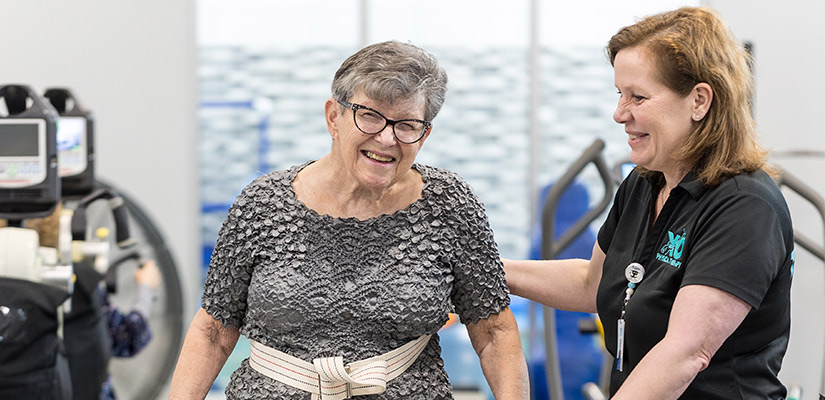
The journey to vertigo relief begins with a comprehensive assessment at McAllen’s physical therapy clinics. Specialists employ various diagnostic procedures to understand each patient’s unique condition.
Common Evaluation Tools
- Fukuda-Unterberger Test – walking in place with eyes closed to assess imbalance
- Romberg’s Test – standing with eyes closed to evaluate postural control
- Head Impulse Test – quick head movements to detect reflex issues
Once diagnosed, McAllen therapists implement interventions tailored to each patient’s needs.
Vestibular Rehabilitation Therapy (VRT)
Vestibular Rehabilitation Therapy (VRT) is the cornerstone of physical therapy treatment for vertigo. This specialized approach uses carefully designed exercises to retrain your brain to process balance information more effectively. Just as you can strengthen a muscle by exercising it, you can improve the balance system in the brain with a specialized exercise program. The evidence supporting VRT is compelling, with studies showing significant improvement in most patients who follow their therapy program consistently for 4-6 weeks.
Core Components of Physical Therapy for Vertigo

A comprehensive vestibular therapy program focuses on three key elements:
- Habituation: Repeated exposure to movements that provoke dizziness to reduce sensitivity to certain movements
- Gaze Stabilization: Eye exercises to improve focus and visual clarity during head movements
- Balance Training: Static and dynamic exercises to enhance overall body control and help the brain compensate for vestibular dysfunction.
- Epley Maneuver: Treatment for BPPV includes the canalith repositioning procedure, or Epley maneuver, which uses specific head movements to guide displaced inner ear crystals back to their proper position. This simple yet effective technique takes just 5-10 minutes but provides significant relief.
At XO Physical Therapy, McAllen therapists develop customized plans that evolve as patients progress through treatment. Their approach to brain retraining is especially effective, as it improves the balance system in the brain.
What to Look for in a Clinic
- Therapists trained in vestibular rehabilitation therapy (VRT)
- Proven track record with vertigo conditions like BPPV or Ménière’s
- Uses diagnostic tools like head impulse and balance testing
- Provides custom home exercise programs
- Offers ongoing evaluations and support
XO Physical Therapy in McAllen offers:
- Certified vestibular therapy experts
- Clinics located in McAllen, Mission, and Weslaco
- Evidence-based, individualized treatment plans
- Friendly, supportive care for long-term results
Choosing XO Physical Therapy in McAllen
With vertigo, not just any physical therapy will do. You need a provider trained in vestibular rehabilitation who understands the nuances of balance-related disorders. At XO Physical Therapy, our specialists are here to help you regain your stability and independence. Call today to schedule your evaluation and begin your path toward feeling good again.