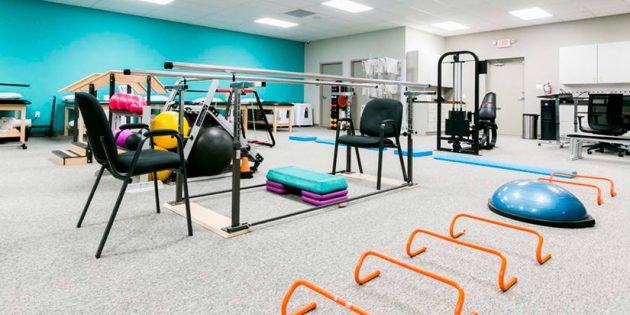



Conquer Lower Back Pain: Tips for a Restful Night’s Sleep

If you’re among the estimated 619 million people worldwide suffering from lower back pain, you know that nighttime can be particularly challenging. While lying down should provide relief, many people find their discomfort intensifies when they’re trying to sleep. This creates a frustrating cycle: back pain disrupts sleep, and poor sleep can worsen pain.
Lower back pain at night often stems from several factors:
- Pressure points created by poor sleeping posture
- Inadequate mattress support that fails to maintain spinal alignment
- Underlying conditions affecting the lumbar region (the lowest five vertebrae)
- Inflammation increases when the body is inactive
Addressing nighttime back pain is fundamental for comfort and your overall health. Quality sleep is essential for physical recovery, mental clarity, and emotional well-being. Fortunately, with the right approach to sleeping positions and habits, you can learn how to sleep with lower back pain and wake up refreshed.
Best Sleeping Positions for Back Pain Relief
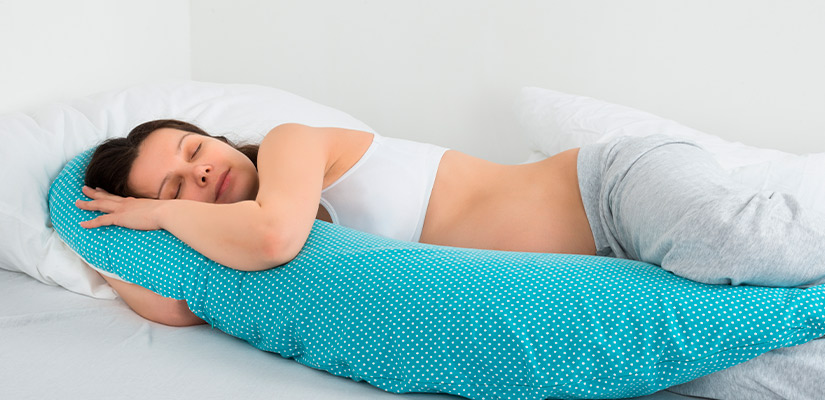
The right sleeping position can make all the difference in easing back pain and promoting restorative rest.
- Side sleeping position: Draw your legs up slightly toward your chest and place a pillow between your knees. This position helps align your spine, pelvis, and hips while taking pressure off your lower back. Consider using a full-length body pillow if you need additional support.
- Back sleeping position: Place a pillow under your knees while lying flat on your back. This helps maintain the natural curve of your lower back and relaxes back muscles. For enhanced support, try placing a small, rolled towel under your lower back.
- Avoid stomach sleeping: This position is hardest on your back as it flattens your spine’s natural curve and strains your neck. If you must sleep on your stomach, place a pillow under your hips and lower abdomen to reduce back strain.
- Transitioning tips: Changing sleep positions takes time. Use extra pillows for support and gradually adjust to new positions. Be patient as your body adapts, and remember that proper spinal alignment during sleep significantly reduces lower back pain.
Tips for Back Pain Relief While Sleeping
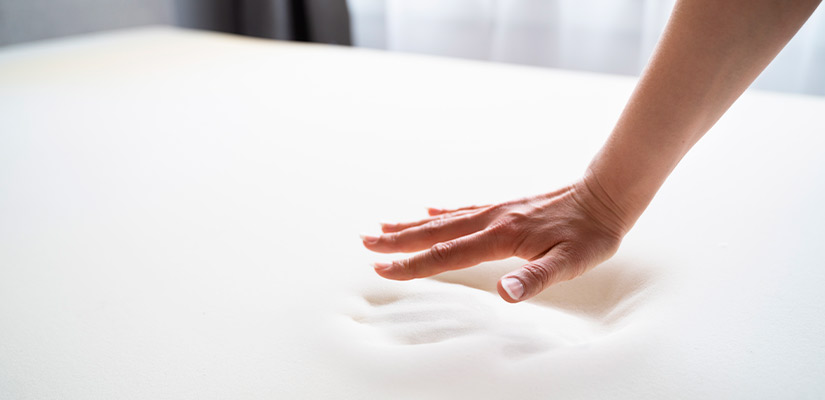
Simple bedtime adjustments can significantly reduce nighttime back pain and help you wake up feeling refreshed.
- Choose the right mattress and pillow: Opt for a medium-firm mattress that provides adequate support without being too hard. Replace mattresses older than 6-8 years, as they lose supportive properties over time. Select a pillow that maintains proper neck alignment with your spine.
- Practice pre-sleep stretching: Gentle stretching before bed helps lengthen back muscles, improving range of motion and enhancing circulation to the lower back. Try simple knee-to-chest stretches or child’s pose to release tension.
- Develop good sleep hygiene: Maintain a consistent sleep schedule and create a restful environment with minimal light and noise. Consider using heat therapy (warm shower or heating pad) 15-20 minutes before bed to relax tight muscles.
- Use supportive accessories: Place a small pillow or rolled towel under your knees when back sleeping, or between your knees when side sleeping, to maintain proper spinal alignment.
When to Seek Professional Help: The Role of RGV Physical Therapy

Knowing when to seek professional help can prevent minor back issues from developing into long-term problems.
- While home remedies can provide temporary relief, it’s time to consult a professional if your lower back pain:
- Persists for more than a few weeks despite self-care
- Wakes you from sleep consistently
- Is accompanied by numbness, tingling, or weakness
- Follows an injury or fall
- Interferes with daily activities
- RGV physical therapy specialists can help by:
- Conducting comprehensive evaluations of your movement, flexibility, and pain patterns
- Creating customized treatment plans addressing your specific back issues
- Applying hands-on techniques to alleviate pain and improve mobility
- Teaching specific exercises that strengthen lower back muscles
- Physical therapy benefits extend beyond immediate pain relief:
- Improves spine alignment and posture to prevent future pain
- Educates you about the root causes of your pain
- Provides strategies for maintaining proper body mechanics during sleep and daily activities
- Reduces dependence on pain medications
- Helps you avoid unnecessary surgeries
RGV Physical Therapy
Discover how XO Physical Therapy can help you achieve a restful night’s sleep with expert guidance on optimal sleeping positions and personalized physical therapy plans. Our specialized services are designed to alleviate discomfort and improve your quality of life.
Don’t let back pain disrupt your sleep any longer. Take the first step toward relief by visiting our website today. Learn more about our lower back pain relief services and start your journey to a pain-free life.
FAQs: Sleeping Positions and Back Pain Relief
1. What is the best sleeping position for back pain?
The “best” position depends on your body’s unique needs, but the key is to keep your spine in a neutral, well-supported alignment. Many people benefit from positions that reduce pressure on the lower back, combined with supportive bedding that adapts to the body’s contours. The goal is to prevent twisting or sagging in the spine overnight.
2. Why does my lower back hurt more at night?
Nighttime back pain can be intensified by prolonged stillness, which can cause stiffness and inflammation to build. Additionally, lying down changes how your body distributes weight, potentially placing extra stress on sensitive joints or discs. Factors such as mattress wear, undiagnosed medical conditions, or tension built up during the day can also play a role.
3. How can I get back pain relief while sleeping?
Beyond choosing a comfortable position, relief often comes from a combination of supportive sleep surfaces, targeted relaxation techniques, and reducing stress on the spine before bed. Gentle pre-sleep movements, maintaining a comfortable room temperature, and ensuring your body has adequate support at pressure points can make a significant difference.
4. Can the wrong pillow make back pain worse?
Absolutely. A pillow that’s too high or too flat can throw off the alignment of your head, neck, and spine, creating strain that extends to the lower back. The ideal pillow supports the natural curve of your neck while complementing your sleeping position.
5. When should I see a professional for nighttime back pain?
If your pain persists for weeks, disrupts your sleep consistently, or comes with symptoms like numbness, weakness, or tingling, it’s time to consult a physical therapist or healthcare provider. Persistent nighttime pain can sometimes signal an underlying condition that requires targeted treatment.
6. Myth: A harder mattress is always better for back pain.
Firm support is important, but “hard” isn’t always best. Extremely rigid mattresses can create pressure points and misalign your spine. Research suggests that a medium-firm surface often provides the right balance between support and comfort.
7. Myth: Sleeping without a pillow will fix back pain.
This depends on your sleeping position. While stomach sleepers may find a thin or no pillow reduces neck strain, most people—especially side and back sleepers—need a pillow to maintain proper spinal alignment. Removing it without adjusting your position can make pain worse.