

Why Physical Therapy is Essential for Injured Workers

Workplace injuries are a serious concern across all industries. Each year, around 2.9 million nonfatal injuries occur in private workplaces in the U. S., and nearly 30% of those are sprains, strains, or tears caused by overexertion. These injuries occur across sectors, from construction workers experiencing acute trauma to repetitive stress injuries like carpal tunnel syndrome that can affect in-office staff. Beyond the physical toll, these injuries lead to:
- Lost wages and productivity
- Expensive medical care
- Emotional stress and anxiety
- Long-term disability risks
For employers, the financial impact is massive. In 2017 alone, $13.7 billion was spent on overexertion-related injuries.
Why Early Physical Therapy Matters
Recovery from workplace injuries requires a comprehensive approach that addresses both physical rehabilitation and the psychological aspects of healing. Studies show that timely physical therapy can significantly reduce recovery time and prevent the development of chronic conditions. A holistic recovery plan typically includes the following:
- Personalized physical therapy
- Pain management strategies
- Ergonomic training
- A carefully structured return-to-work program that allows workers to safely resume their duties without risking re-injury
Such a program results in:
- Faster recovery
- Reduced chronic pain risk
- A safer return to work
How Physical Therapy Offers A Foundation for Work Injury Recovery
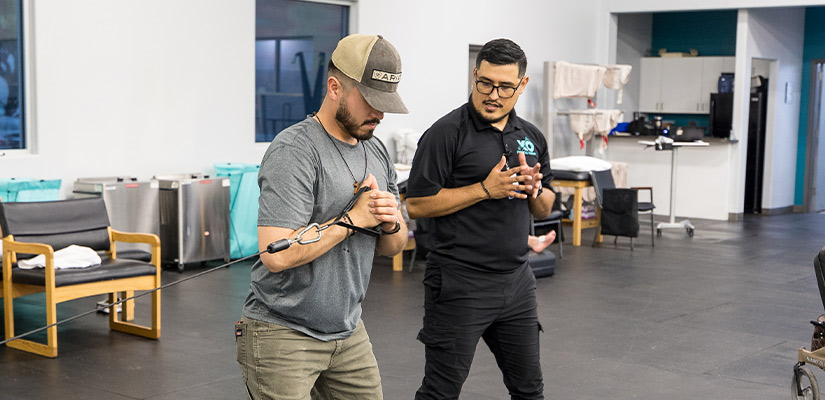
Physical therapy stands as the cornerstone of rehabilitation for work-related injuries, addressing both acute and chronic conditions through evidence-based approaches.
For acute injuries, physical therapists immediately focus on:
- Reducing inflammation
- Managing pain
- Preventing further damage.
With chronic conditions, therapy targets the underlying issues that contribute to persistent pain and functional limitations.
The comprehensive assessment process identifies specific movement deficiencies, strength imbalances, and functional limitations that may affect a worker’s ability to perform job duties safely.
Physical therapy is the core of injury rehabilitation.
4 Techniques Used in Physical Therapy
Physical therapy incorporates a diverse range of evidence-based methods tailored to individual needs. The approach is holistic, aiming not only to treat symptoms but to address the root causes of dysfunction. The table below outlines core categories of therapeutic techniques, highlighting how physical therapists strategically apply them to support healing and long-term resilience.
Each method serves a specific role within the broader rehabilitation process, ensuring that treatment plans are both comprehensive and personalized to help patients regain independence and prevent future issues.
| Method | Purpose |
| Manual Therapy | Hands-on manipulation to reduce pain and stiffness |
| Therapeutic Exercise | Rebuilds strength, range of motion, and coordination |
| Functional Training | Simulates real work tasks to restore function |
| Modalities | Includes TENS, ultrasound, heat or cold therapy |
These tools work together to heal tissue, improve performance, and reduce dependence on medications
How Physical Therapy Uses Personalized Plans for Work Injury
What truly distinguishes physical therapy for workplace injuries is the personalization of treatment plans. One-size-fits-all does not work for recovery. Each injured worker needs a custom rehabilitation program based on:
- Job-specific physical demands
- Type and severity of injury
- Long-term work goals
Physical therapy works best when it’s tailored to the person. Instead of using the same treatment for everyone, physical therapists create a custom plan based on what each patient needs, like the kind of pain they have, how they move, and what their recovery goals are. These plans change as the person gets better, helping them heal faster and more safely. This personalized approach also keeps people more involved and motivated in their recovery, which can help them heal faster.
The 4 Core Components of a Treatment Plan
A treatment plan in physical therapy is a structured approach tailored to an individual’s specific condition, goals, and functional needs. It typically includes several key components that work together to promote recovery, improve mobility, and prevent further injury. Each element is selected based on clinical assessment and is regularly adjusted to reflect the patient’s progress.
The table below presents the core components of a custom physical therapy plan designed to support safe and effective return-to-work outcomes.
| Plan Element | Goal |
| Job Simulation Activities | Safely mimic tasks like lifting, pushing, typing, etc. |
| Stretching/Strengthening | Target injury-prone areas to rebuild function |
| Ergonomic & Posture Training | Improve body mechanics in the workplace |
| Return-to-Work Strategy | Guide safe reentry with minimal re-injury risk |
The Return-to-Work (RTW) Program is a prime example of restoring full function and job readiness while prioritizing safety.
Benefits of Physical Therapy for Injured Workers
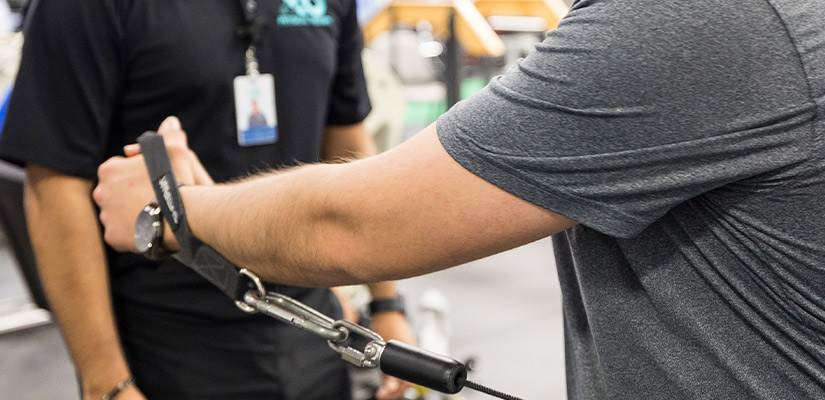
Physical therapy does more than reduce pain. It empowers workers to regain confidence, independence, and health.
Restores Strength and Mobility
Work injuries often limit motion and function. Therapists:
- Target affected muscle groups
- Improve posture and coordination
- Build endurance for job tasks
Reduces Pain Without Heavy Medication Use
Rather than masking pain, physical therapy:
- Uses manual techniques
- Applies TENS and hot/cold therapy
- Reduces dependency on opioids
- Prevents Future Injuries
Physical therapists provide education and prevention, including:
- Safe lifting mechanics
- Desk ergonomics and stretching
- Proper posture and movement patterns
| Prevention Technique | Outcome |
| Body Mechanics Training | Reduces strain from repetitive or heavy tasks |
| Postural Correction | Prevents stress injuries like back or neck pain |
| Muscle Strengthening | Protects vulnerable joints from reinjury |
Ensures a Safer Return to Work
Therapists prepare workers through work-readiness training:
| Program | Purpose |
| Functional Capacity Evaluation (FCE) | Measures endurance, strength, and mobility |
| Work Conditioning Programs | Gradually simulate job activities |
| Return-to-Work Strategy | Provides a roadmap for safe reintegration |
Program Purpose
Functional Capacity Evaluation (FCE) Measures endurance, strength, and mobility
Work Conditioning Programs Gradually simulate job activities
Return-to-Work Strategy Provides a roadmap for safe reintegration
How to Choose the Right Physical Therapy for Injured Workers
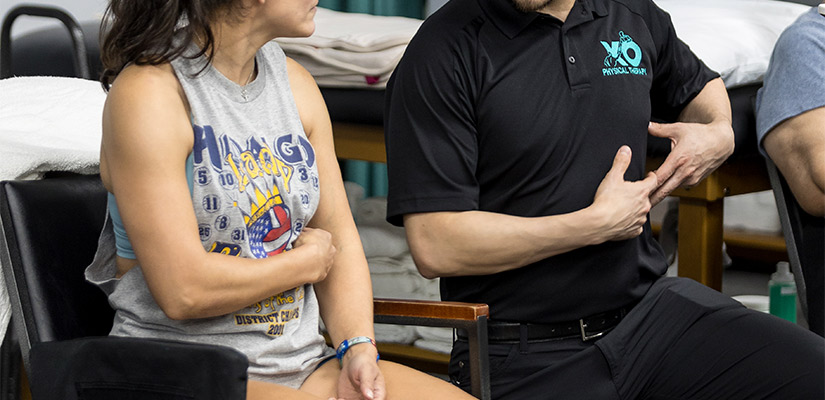
Not all physical therapy programs are created equal. Choose a provider with work injury expertise and the right therapeutic tools.
What to Look for in a Provider
- Experience with occupational injuries
- Understanding of job-specific demands
- Familiarity with workers’ comp processes
- Active Release Technique
- Functional Movement Therapy
An experienced, coordinated care team ensures that all physical, emotional, and functional aspects of recovery are addressed.
Maximize Results: Tips for a Successful Recovery
To get the best outcomes, injured workers must actively participate in their recovery.
Pro Tips for Success
- Be consistent: Don’t skip therapy sessions
- Follow the plan: Complete all home exercises
- Communicate: Tell your therapist about any changes or discomfort
- Practice job-specific training: Rebuild the strength needed for work tasks
Physical Therapy in the RGV: XO Physical Therapy Can Help
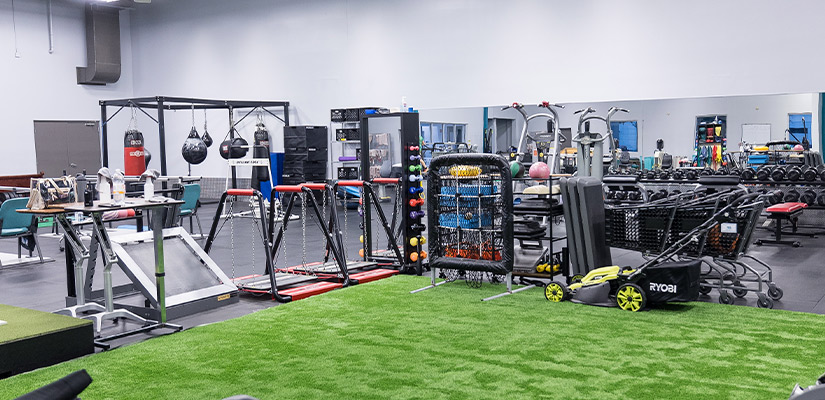
Located in the Rio Grande Valley, XO Physical Therapy specializes in injured worker rehabilitation. Their tailored programs include:
- Functional strength training
- Pain management without medication
- Job-specific movement training
- Return-to-work evaluations
With XO Physical Therapy, you’ll benefit from a holistic and personalized plan that gets you back on your feet and back to work, safely and confidently.
Don’t let workplace injuries sideline your career. Visit XO Physical Therapy today and take the first step toward a full recovery.