


Feeling Dizzy or Off-Balance? 7 Ways Vestibular Physical Therapy Can Help

Feeling dizzy, unsteady, or off-balance can quickly disrupt daily life. Tasks that once felt routine, walking through a store, turning your head, driving, or even getting out of bed, can suddenly feel uncertain or unsafe. These symptoms are common, but they are never normal. In many cases, they point to a vestibular disorder that responds well to targeted physical therapy.
At XO Physical Therapy, vestibular physical therapy is designed to restore balance, reduce dizziness, and help patients move through life with confidence again. Understanding what causes these symptoms and how therapy addresses them is the first step toward steady ground.
Understanding Vestibular Disorders: Symptoms and Causes
Your sense of balance depends on close coordination between three systems: the vestibular system in the inner ear, vision, and proprioception (your body’s awareness of position and movement). When these systems work together, your brain accurately interprets where you are in space. When the vestibular system is disrupted, that communication breaks down, leading to dizziness and imbalance.
Dizziness is a broad term, often used to describe everything from lightheadedness to a spinning sensation. Vertigo, however, is a specific type of dizziness. It creates the false sensation that you or your surroundings are moving when they are not. This can make everyday activities feel overwhelming and unsafe, especially when symptoms come on suddenly or repeatedly.
Common symptoms associated with vestibular disorders include:
Vestibular disorders can present in a variety of ways, often affecting both balance and visual stability.
- Sensations of spinning or motion (vertigo)
- Unsteadiness or drifting while walking
- Nausea, sometimes accompanied by vomiting
- Difficulty maintaining balance or coordination
- Headaches or pressure in the head or ears
- Tinnitus (ringing in the ears)
- Abnormal or jerky eye movements
- Blurred vision or trouble focusing during head movement
Several conditions can disrupt vestibular function. One of the most common is Benign Paroxysmal Positional Vertigo (BPPV), caused by displaced calcium crystals in the inner ear. Other causes include vestibular neuritis or labyrinthitis, often linked to inflammation after infection, and Ménière’s disease, which involves abnormal fluid buildup in the inner ear.
Without treatment, these conditions can increase fall risk, limit independence, and affect overall quality of life. Early intervention with vestibular physical therapy can shorten recovery time and reduce long-term complications
How Vestibular Physical Therapy Works: Evaluation and Treatment
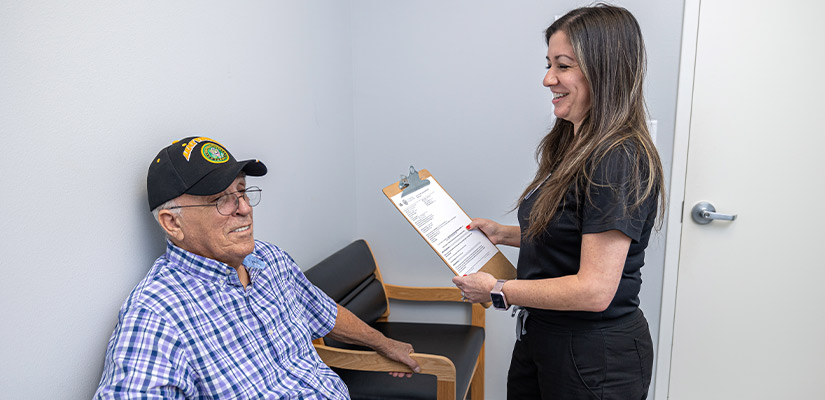
Effective vestibular rehabilitation begins with a thorough, individualized evaluation. At XO Physical Therapy, therapists take time to understand not only your diagnosis but how your symptoms affect daily movement, safety, and confidence.
The evaluation process includes:
- A detailed review of your medical history and symptom patterns
- Discussion of triggers, frequency, and severity of dizziness
- Balance and coordination testing, such as Romberg’s Test and the Fukuda-Unterberger Test
- Head impulse testing to assess vestibular reflexes
- Observation of eye movements and visual stability during head motion
- Gait, posture, and functional mobility assessment
This comprehensive approach allows therapists to identify which systems are involved and how your brain is compensating, or struggling to compensate, for vestibular dysfunction.
Evidence-based treatment techniques
Vestibular Rehabilitation Therapy (VRT) is the foundation of care. The goal is not simply to manage symptoms, but to retrain the brain to interpret balance information more accurately. With regular, progressive exercises, the nervous system adapts and improves function.
Core components of treatment often include:
- Habituation exercises, which reduce sensitivity to movements that provoke dizziness
- Gaze stabilization exercises are designed to improve visual clarity during head motion
- Balance training, focusing on both static and dynamic control
- Canalith repositioning maneuvers, such as the Epley maneuver, when BPPV is present
Each plan is customized. Therapy for vestibular rehabilitation evolves as symptoms improve, ensuring that exercises remain challenging without being overwhelming.
Most patients attend weekly sessions for several weeks, with home exercises playing a key role in progress. Consistency with vestibular physical therapy between visits often determines how quickly symptoms improve.
7 Ways Vestibular Physical Therapy Helps You Regain Stability
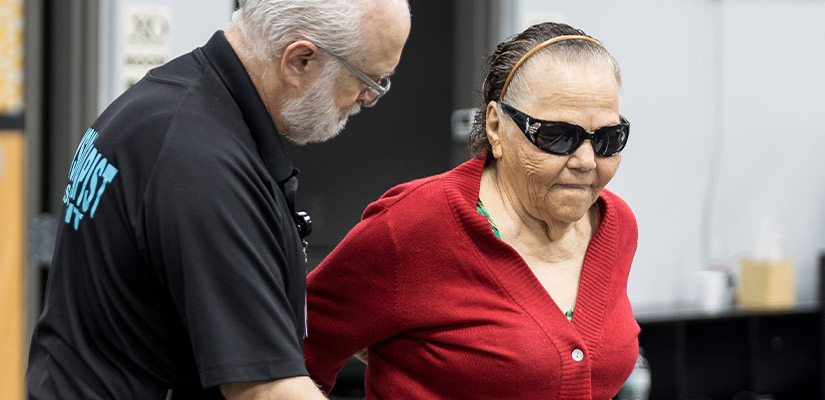
Vestibular rehabilitation does more than address dizziness; it restores confidence and functional independence. The following benefits highlight how structured therapy supports recovery at every stage.
1. Reduces dizziness and vertigo episodes
Targeted exercises retrain the brain to process balance signals more effectively. Habituation techniques gradually decrease sensitivity to motion, while repositioning maneuvers can resolve BPPV by returning inner ear crystals to their proper location.
2. Improves balance and coordination
Balance challenges often involve both the vestibular system and muscular control. Therapy strengthens stabilizing muscles and improves coordination through gaze stabilization and progressive balance exercises that mirror real-world movement.
3. Lowers the risk of falls
Vestibular dysfunction is a major contributor to falls, especially in older adults. Research shows vestibular rehabilitation significantly reduces fall risk by improving reaction time, postural control, and environmental awareness.
4. Restores confidence in daily activities
Fear of dizziness can be as limiting as the symptoms themselves. As balance improves, patients regain confidence walking in busy environments, driving, and performing daily tasks without hesitation.
5. Speeds recovery through early intervention
Starting therapy early leads to faster and more complete recovery from vestibular disorder. While some vestibular conditions may improve over time, structured rehabilitation ensures proper compensation and reduces lingering symptoms.
6. Teaches practical symptom-management strategies
Patients learn how to respond to dizziness, including posture adjustments, movement modifications, and safe navigation techniques. These strategies reduce anxiety and improve control during unexpected episodes.
7. Supports long-term balance and prevention
Vestibular physical therapy equips patients with maintenance exercises and education to help prevent future episodes. Long-term balance strategies promote ongoing stability and overall wellness.
Who Benefits from Vestibular Physical Therapy

Vestibular rehabilitation is appropriate for a wide range of conditions and age groups. If dizziness persists for more than a few days or interferes with daily activities, a professional evaluation is recommended.
Common conditions treated include:
- Benign Paroxysmal Positional Vertigo (BPPV)
- Vestibular neuritis and labyrinthitis
- Ménière’s disease
- Post-concussion and traumatic brain injuries
- Vestibular migraines
- Age-related balance decline and fall risk
- Unexplained or recurring dizziness
Many patients notice meaningful improvement within weeks when therapy is started promptly and followed consistently.
Why Choose RGV Physical Therapy for Vestibular Rehabilitation
At XO Physical Therapy, vestibular physical therapy is grounded in clinical expertise, personalized treatment, and a deep understanding of the needs of patients in the Rio Grande Valley. Certified therapists take time to listen, assess thoroughly, and design care plans that reflect real-life movement demands.
With convenient clinic locations across the region, patients receive consistent, one-on-one attention focused on restoring balance, reducing dizziness, and improving daily function. Most patients experience measurable improvement within four to six weeks, depending on the condition and consistency.
Take the First Step Toward Feeling Steady Again
Dizziness and balance problems do not have to control your life. With specialized vestibular physical therapy, many patients regain stability, confidence, and independence.
If you are experiencing vertigo, balance issues, or unexplained dizziness, the team at XO Physical Therapy is ready to help. Contact us today to schedule an evaluation and begin a personalized vestibular rehabilitation program designed to get you back on solid ground, safely and confidently.