



Feeling Dizzy? How South Texas Patients Can Treat Vertigo

If you’ve ever felt like the room is spinning around you even when you’re perfectly still, you’ve experienced vertigo. Unlike general dizziness, which makes you feel lightheaded or unsteady, vertigo specifically creates a sensation of spinning or movement when there is none. This disorienting condition affects many South Texans and can range from mildly annoying to severely debilitating.
Vertigo comes in two main types:
- Peripheral vertigo: The most common type stems from inner ear problems that affect your balance system.
- Central vertigo: The less common type, but often more serious, results from issues in the brain itself.
In South Texas, several factors can trigger or worsen vertigo, including seasonal allergies, ear infections exacerbated by swimming, and dehydration from our intense heat and humidity.
Symptoms of vertigo

The symptoms go beyond just the spinning sensation. Many people also experience:
- Nausea and vomiting
- Loss of balance or unsteadiness
- Headaches or a feeling of fullness in the ear
- Ringing in the ears (tinnitus)
- Abnormal eye movements
- Sweating and looking pale
While most cases of vertigo aren’t life-threatening, certain symptoms warrant immediate medical attention:
- Vertigo accompanied by a severe headache
- Sudden hearing loss
- Double vision or difficulty speaking
- Weakness or numbness in arms or legs
- High fever with vertigo symptoms
Causes and Common Triggers of Dizziness in South Texas
For South Texas residents battling vertigo, understanding what triggers dizzy spells can help you manage symptoms effectively. The unique environmental and lifestyle factors in our region can contribute to or worsen vertigo episodes.
- Environmental Factors
- Extreme heat and humidity in the Rio Grande Valley can lead to dehydration, a common vertigo trigger
- Seasonal allergens like mountain cedar, ragweed, and grass pollen can trigger inner ear inflammation and dizziness
- Rapid barometric pressure changes during storm seasons can affect inner ear function and balance
- Lifestyle Triggers
- Inadequate hydration in our hot climate significantly increases the risk of vertigo
- Dietary factors like high sodium intake, caffeine, and alcohol can worsen symptoms
- Disrupted sleep patterns from heat or seasonal allergies can exacerbate dizziness
- Physical Triggers
- Sudden head movements, especially when turning over in bed or looking up quickly
- Benign paroxysmal positional vertigo (BPPV) is common and triggered by specific head positions
- Underlying conditions are more prevalent in South Texas, such as diabetes, high blood pressure, and migraines, which can all contribute to vertigo symptoms
Recognizing these triggers is the first step toward managing vertigo symptoms. In the next section, we’ll explore practical day-to-day strategies to help South Texas residents cope with these challenges.
How to Treat Vertigo with Vestibular Rehabilitation Therapy (VRT)
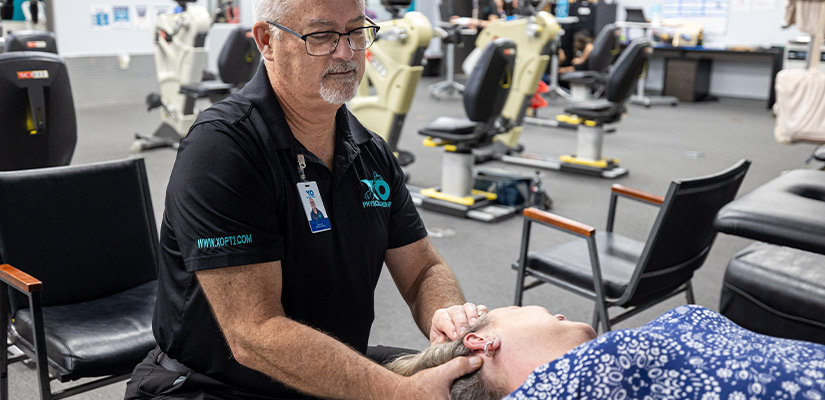
Vertigo often stems from issues in the vestibular system, which controls balance and spatial orientation. If you need to know how to get rid of vertigo, one option could be vestibular rehabilitation therapy (VRT). VRT is a specialized form of physical therapy designed to help your brain adapt to balance disruptions. VRT typically includes customized exercises that retrain your nervous system to compensate for dizziness and improve stability.
- How It Works: VRT uses repeated head, eye, and body movements to help your brain “recalibrate” and rely on alternative sensory signals for balance. Over time, this process can reduce dizziness, improve coordination, and help you regain confidence in daily activities.
- Why Professional Guidance Matters: Improper technique can worsen symptoms; it’s important to work with a trained vestibular therapist. They can tailor exercises to your condition, monitor progress, and adjust your program as needed.
Consistency is Key: Results typically improve with regular practice. Temporary dizziness during exercise is normal, but it should not become severe. Take breaks and progress gradually.
Additional Day-to-Day Precautions
Beyond VRT, dizziness treatment in South Texas can include simple lifestyle adjustments. These small changes can make a big difference in managing vertigo, particularly in South Texas’s challenging climate:
- Stay Hydrated and Eat Well: Dehydration is a common trigger. Drink plenty of water, and limit caffeine, alcohol, and high-sodium foods that disrupt fluid balance.
- Beat the Heat: Heat exhaustion can intensify dizziness. Use air conditioning or fans when possible, take cool showers, and consider cooling towels during extreme weather.
- Move Slowly and Safely: Rise gradually from sitting or lying positions, keep lights on when getting up at night, and sleep with your head slightly elevated to minimize sudden dizziness.
- Know When to Seek Help: If vertigo is accompanied by severe headache, vision changes, difficulty walking, or sudden hearing loss, consult a healthcare professional immediately.
To make these strategies easier to follow, here’s a quick comparison of vestibular rehabilitation therapy (VRT) and other day-to-day precautions. This table highlights their purpose, benefits, and when to use them so you can build a personalized vertigo management plan.
| Approach | Purpose | Key Benefits | When to Use |
| Vestibular Rehabilitation Therapy (VRT) | Trains the brain to adapt to balance problems | • Improves stability and coordination • Reduces frequency and intensity of dizziness • Builds confidence in movement |
When vertigo is frequent, persistent, or significantly impacts daily activities (under professional guidance) |
| Hydration & Balanced Diet | Maintains proper fluid levels and reduces triggers | • Prevents dehydration-related dizziness • Supports overall health and energy |
Daily, especially during hot weather or after sweating |
| Cooling Strategies | Prevents overheating, which can worsen symptoms | • Reduces risk of heat-related dizziness • Keeps body temperature stable |
During hot or humid South Texas days |
| Gentle Movements & Posture Adjustments | Minimizes sudden head motion that triggers vertigo | • Prevents falls • Reduces onset of dizziness when standing or turning |
When getting out of bed, standing up, or changing positions |
| Medical Consultation | Identifies underlying or serious causes of vertigo | • Ensures timely treatment • Detects complications early |
Immediately if symptoms are severe, sudden, or accompanied by vision/hearing changes |
Seeking Help
When vertigo disrupts your daily life, professional help is essential. In South Texas, several specialized resources can provide the expertise you need to manage this challenging condition.
The Importance of Professional Care for Treating Vertigo

Professional diagnosis determines the different types of vertigo that require different treatments. For many patients, vestibular rehabilitation therapy (VRT) offers significant relief, typically requiring 6-8 weekly sessions. With proper care, most patients see improvement within 4-6 weeks, though complete recovery may take longer.
Remember, vertigo can sometimes indicate serious conditions. Seek emergency care if you experience vertigo with severe headache, vision changes, speech difficulties, or weakness in limbs.
Treat Vertigo with RGV Physical Therapy
Feeling unsteady or off-balance can be frustrating and even frightening, affecting your confidence in everyday activities. At XO Physical Therapy, we understand how disruptive vertigo and balance issues can be, and we’re here to help. Our caring team in McAllen, Mission, Weslaco, and Rio Grande City provides personalized vestibular rehabilitation therapy designed to restore stability and improve your quality of life gently.
With tailored exercises and supportive guidance, we help you regain confidence in your movements and enjoy daily routines without fear. Don’t let vertigo control your life, take the first step toward relief by scheduling a consultation with our compassionate therapists today.
FAQs About Vertigo
| Question | Answer |
| How long does vertigo usually last? | Episodes can last from seconds to days. Recurrent vertigo may occur over weeks or months, depending on the cause. Consistent treatment, including VRT, can reduce frequency and duration. |
| Are there any long-term side effects? | Most cases have no permanent effects, but untreated vertigo can increase risk of falls, anxiety, or limitations in daily activities. Professional care helps prevent complications. |
| Can I do VRT at home? | Some exercises can be done at home with guidance, but proper instruction from a vestibular therapist is essential to avoid worsening symptoms. |
| What triggers vertigo in daily life? | Sudden head movements, dehydration, heat, stress, poor sleep, certain medications, and underlying conditions like diabetes or high blood pressure. |
| When should I seek immediate medical attention? | Seek help if vertigo is accompanied by severe headache, vision changes, sudden hearing loss, speech difficulties, limb weakness or numbness, or high fever. |
| Can diet and lifestyle help manage vertigo? | Yes. Hydration, a balanced diet, limiting caffeine/alcohol, cooling strategies, and careful movement can all help reduce episodes and support balance. |