

What Is Functional Therapy? How XO Helps in McAllen and RGV
You don’t throw a football for a living or get up from a chair for sport. Still, your body needs to handle daily activities such as mowing the lawn, pushing a full grocery cart through the produce aisle, climbing the stairs, and getting up from a church pew.
These everyday movements can become harder when you have pain, weakness, or limited mobility. That’s where functional physical therapy can help. Instead of focusing only on one joint or muscle, functional therapy looks at how your body works together during real-life movements. That’s the approach XO Physical Therapy brings to patients throughout the Rio Grande Valley.
What Is Functional Physical Therapy?
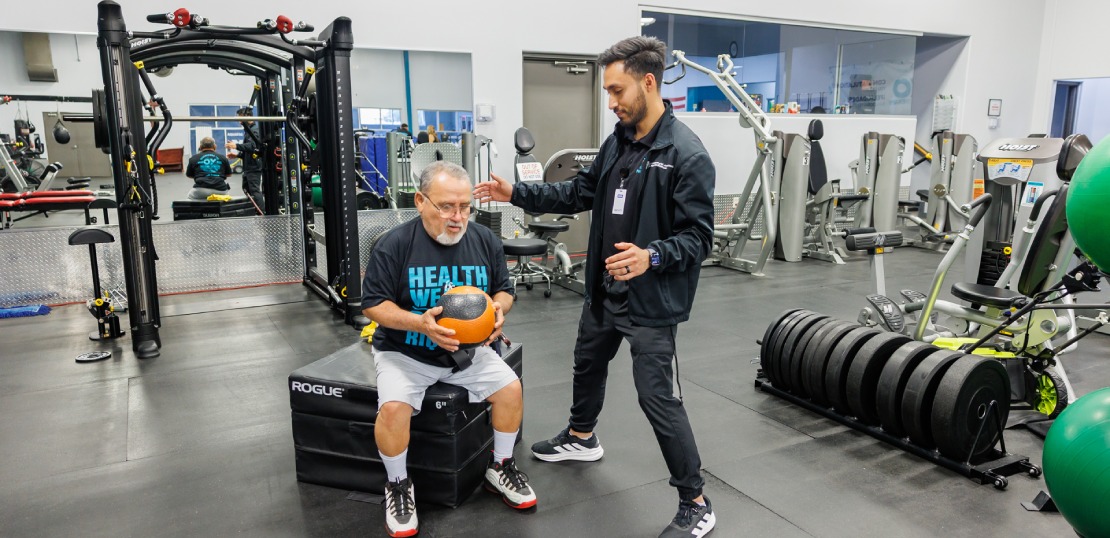
Traditional rehabilitation often focuses on improving strength, flexibility, or range of motion in a specific area. Functional physical therapy connects those improvements to the activities you need to do every day.
For example, the goal is not only to ask, “Can you bend your knee?” Your therapist may also ask, “Can you get out of your car and climb your porch steps comfortably?”
This approach focuses on meaningful movements and personal goals. The American Physical Therapy Association uses functional assessment tools, including the Functional Assessment Standardized Items and Patient-Specific Functional Scale, to measure how patients perform activities related to daily life.
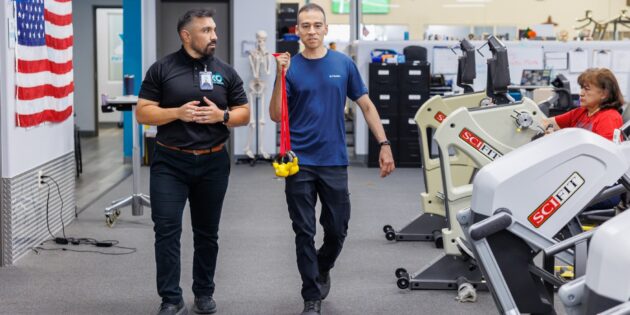
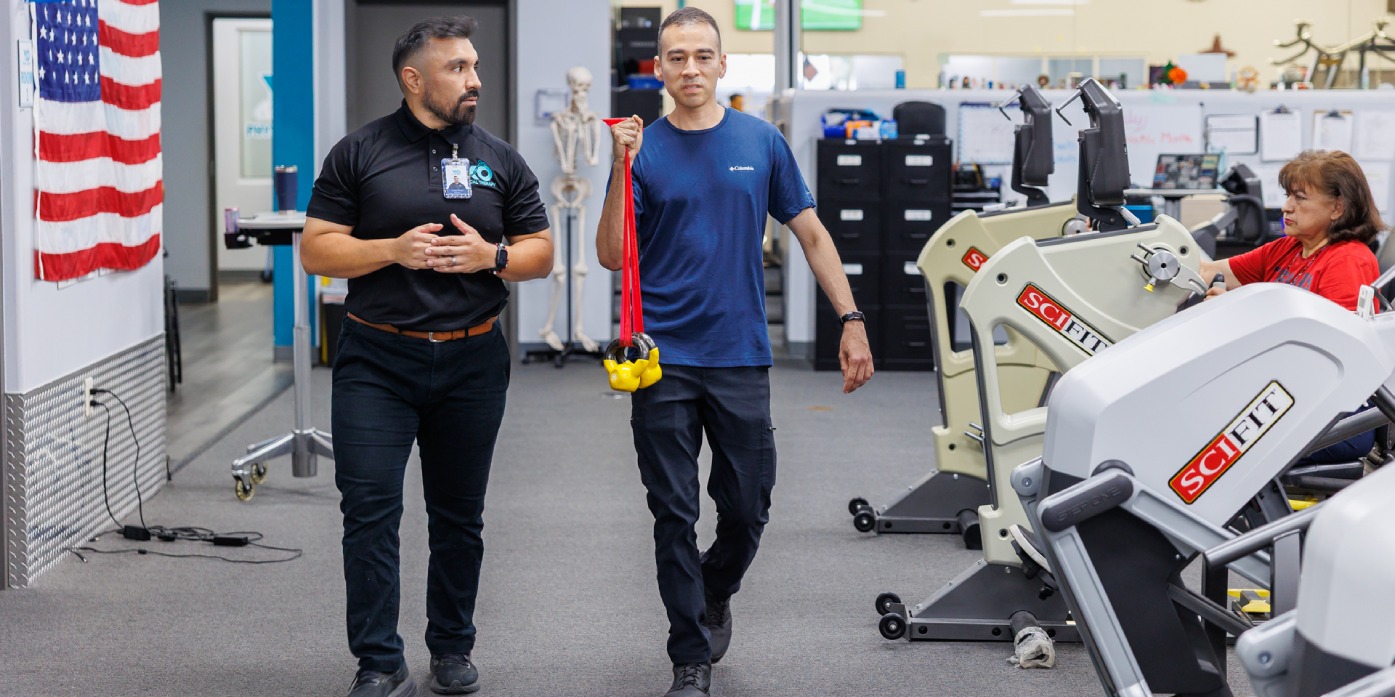
At XO Physical Therapy, a functional movement assessment helps therapists see how your body moves during activities such as squatting, reaching, stepping, balancing, and changing positions. Your results can then help guide a treatment plan based on your needs and goals.
Research also highlights the value of functional movement. A systematic review and meta-analysis published in The American Journal of Sports Medicine found an association between lower scores on a standardized functional movement screen and a higher risk of musculoskeletal injury. However, a movement screen cannot predict every future injury. It can, however, help identify movement limitations that may need attention.
By the numbers: Research published in BMC Geriatrics found that difficulty with everyday activities, such as pushing or pulling objects, was associated with increased fall risk among adults age 60 and older.
How Functional Therapy Applies to Everyday Activities
One benefit of functional physical therapy is that treatment can connect directly to the activities you want to do. For some patients, that may mean taking care of the yard. For others, it may mean shopping, playing with family, or returning to a favorite sport.
Mowing the Lawn
Pushing a mower across an uneven yard requires more than leg strength. Your hips, core, shoulders, and upper body need to work together. At the same time, you need to maintain your balance and repeat the movement for an extended period.
A functional therapy program can include exercises that improve core stability, rotational strength, balance, and endurance. These skills can support activities such as yard work.
Rather than training one muscle at a time, your therapist can focus on the movement patterns needed for the task. As a result, your exercises have a clear connection to your daily activities.
Pushing and Pulling a Grocery Cart
Pushing a loaded grocery cart may seem simple. However, the task requires coordination, balance, grip strength, and control through your shoulders and core.
Research involving adults over 60 has linked difficulty with pushing or pulling objects to fall risk. Therefore, changes in everyday activities can be useful to discuss with your physical therapist.
If controlling a grocery cart has become more difficult, let your therapist know. XO’s fall prevention and balance training can address balance, strength, coordination, and movement strategies that support safer everyday mobility.
Standing Up From a Church Pew or Chair

Getting up from a chair or church pew may look easy. In reality, the movement requires lower-body strength, balance, coordination, and controlled weight shifting.
Functional physical therapy can help you practice the sit-to-stand movement directly. Your therapist can identify areas where you have difficulty. Then, targeted exercises and movement training can help improve strength and control.
As a result, everyday transitions may become easier to manage. This includes getting out of a dining chair, standing after a church service, or rising from a couch at home.
Returning to Sports
Functional therapy is not limited to household activities. It can also support athletes who want to return to their sport after an injury or surgery.
Rehabilitation should prepare your body for the movements your sport requires. Depending on your activity, that may include running, changing direction, jumping, landing, or other sport-specific movements.
XO’s sports injury physical therapy can help progress rehabilitation beyond basic pain relief and strength exercises. Your therapist can adjust activities as your strength, movement, and confidence improve.
The goal is to build your ability to perform the movements you need. In other words, recovery does not have to stop when your pain improves.
Playing With Your Kids or Grandkids
Some of the most important functional goals have nothing to do with sports. You may simply want to get down on the floor and play with your grandchildren. Perhaps you want to chase your kids around the backyard or stand up without using nearby furniture for support.
These activities can require flexibility, balance, coordination, strength, and floor-to-stand mobility.
Functional physical therapy can include these types of movements when they match your goals. This helps connect your exercises to the activities you want to enjoy outside the clinic.
Everyday Activities and Functional Therapy
| Everyday Activity | What It Requires | How Functional Therapy Can Help |
|---|---|---|
| Mowing the lawn | Trunk rotation, balance, shoulder endurance | Builds strength, coordination, and stamina for repetitive movement |
| Pushing a grocery cart | Balance, core stability, upper-body control | Trains pushing and pulling mechanics and everyday mobility |
| Standing from a chair or pew | Lower-body strength, balance, weight shifting | Practices sit-to-stand mechanics and controlled transitions |
| Returning to sports | Speed, coordination, joint stability | Progresses sport-specific movements such as running and changing direction |
| Playing with kids or grandkids | Flexibility, balance, floor-to-stand mobility | Builds the mobility and strength needed for active daily life |
What to Expect From a Functional Movement Assessment
A functional movement assessment can be an important part of creating a treatment plan around your goals.
During an assessment, your physical therapist may observe how you squat, reach, step, balance, walk, change positions, or shift your weight. These movements can help identify areas that may need attention.
Most importantly, your therapist can connect those findings to your daily activities and personal goals.
For example, maybe you want to mow the lawn without your back becoming sore. Perhaps you want to walk through the grocery store without feeling unstable. You may also be working toward returning to a sport after an injury.
Your treatment plan should reflect what matters to you. Therefore, functional therapy focuses not only on how your body moves in the clinic but also on how you want to move in everyday life.
Functional Physical Therapy in the Rio Grande Valley
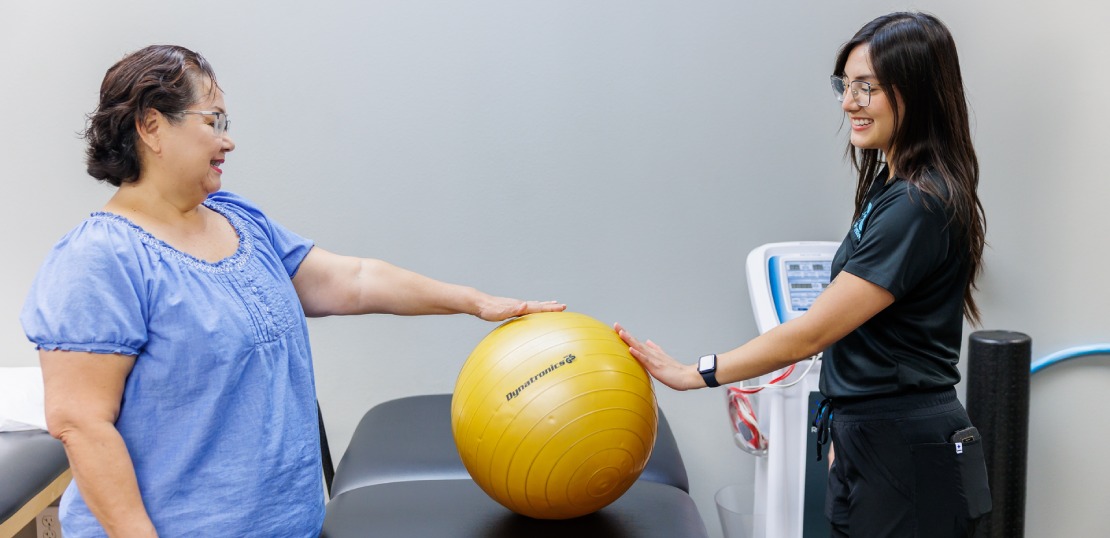
For patients looking for physical therapy in the Rio Grande Valley, functional rehabilitation offers a way to connect treatment with the activities that make up everyday life.
At XO Physical Therapy’s McAllen, Mission, and Weslaco clinics, therapists use movement-based rehabilitation to help patients work toward their individual mobility, strength, balance, and activity goals.
In addition, XO offers specialized physical therapy programs for concerns such as fall prevention, balance, and sports injuries. The practice also offers approaches designed to help patients manage pain without relying exclusively on medication.
For example, you can learn more about XO’s pain management for Weslaco patients.
If lifting, standing, walking, pushing, or playing has become more difficult, a functional movement assessment can help identify areas where your movement may be limited. From there, your therapist can help you work toward the activities that matter most to you.
Call XO Physical Therapy at (956) 686-2242 to schedule an assessment at a location near you.