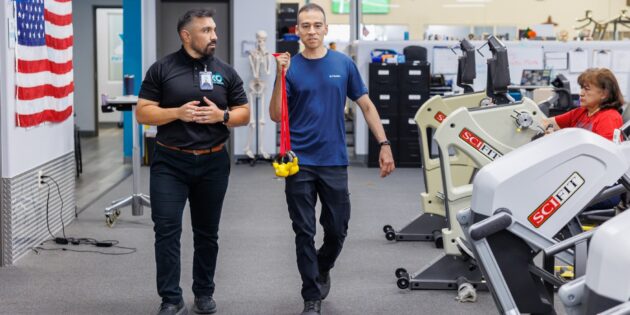



Summer Sports Recovery Tips from McAllen PT Experts
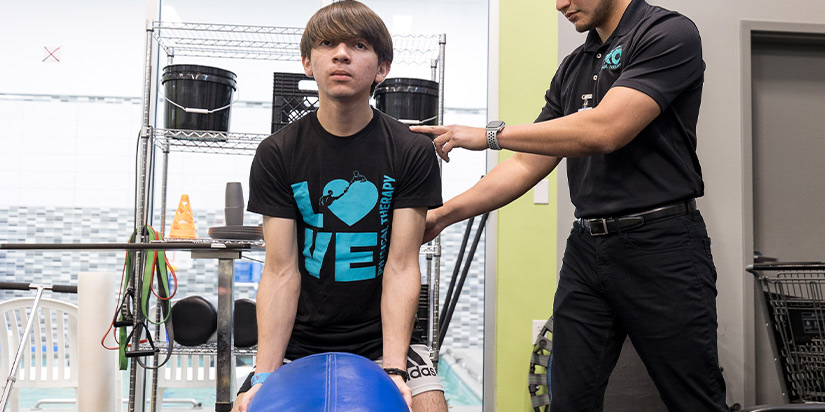
In summer, everybody enjoys taking part in sports, whether it’s adults staying active outdoors or young athletes joining local summer leagues. McAllen sees a seasonal surge in outdoor activity, which unfortunately comes with a higher risk of injuries.
Studies show that over 3.5 million children and teens experience sports-related injuries each year, with nearly one-third of all childhood injuries resulting from athletic activity. From sprains to heat-related exhaustion, knowing how to recover efficiently protects long-term health and performance.
This guide brings together expert advice from McAllen’s physical therapy professionals, supported by science, to help athletes of all levels stay safe, strong, and injury-free this season.
Why Summer Sports Recovery Matters in McAllen

Proper recovery isn’t just about feeling better. It also prevents long-term complications and supports athletes like you in maintaining performance levels. When the body doesn’t adequately recover, injury risk increases while performance decreases. This is especially true during hot McAllen summers, when heat and humidity create additional recovery challenges due to:
- Dehydration and fatigue
- Muscle strain and overuse injuries
- Heat-related conditions like cramps and exhaustion
Neglecting recovery in summer can lead to reduced performance and a higher risk of chronic injury.
Common Summer Sports Injuries in McAllen
McAllen’s summer climate increases both activity levels and injury rates. Local physical therapists report frequent cases of sprains, strains, and heat-related issues during peak activity months.
Common Injury Types and Heat-Related Challenges
The table below outlines typical sports injuries and how summer heat compounds recovery challenges:
| Injury Type | Common Causes | Summer-Specific Challenges |
| Sprains/Strains | Inadequate warm-up, sudden directional shifts | Heat loosens muscles, masking pain signals that normally prompt rest |
| Heat Exhaustion | Prolonged exposure, insufficient hydration | Slows recovery time, increases recurrence risk |
| Muscle Cramps | Dehydration, electrolyte imbalance | Higher frequency in hot weather; may progress to more serious muscle damage |
The body’s warning signs may be less noticeable in heat, making injury prevention and immediate recovery even more essential.
Recovery Tips from McAllen Physical Therapy Professionals
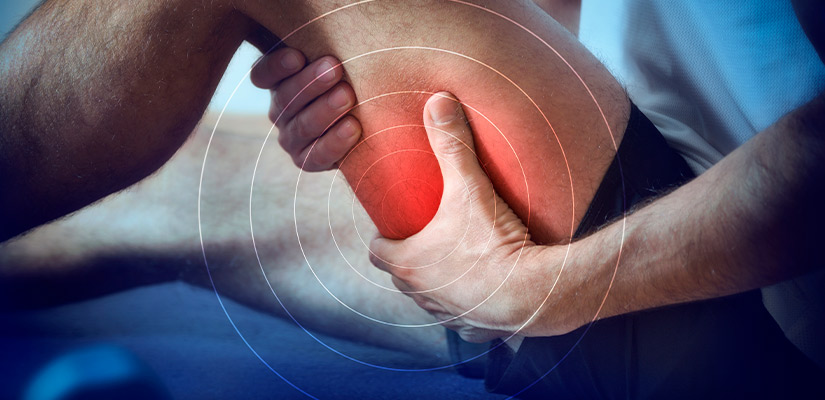
Local experts emphasize a multi-dimensional recovery strategy: targeted physical therapy, hydration, nutrition, and rest, to promote optimal healing and injury prevention.
1. Physical Therapy Techniques: Professional Prevention and Recovery Support
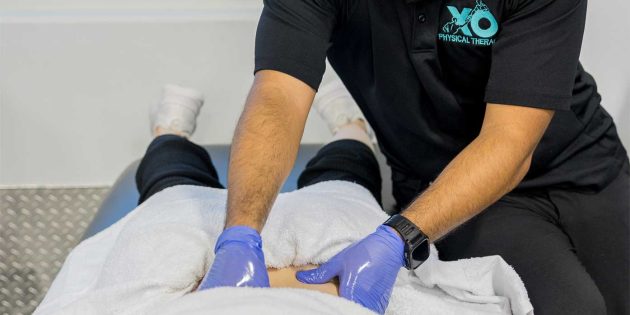
PTs in McAllen emphasize that physical therapy is not only central to recovery but also highly effective in preventing injuries before they happen, especially in the demanding summer sports season. They use the following techniques:
- Preventative Screenings: Routine evaluations to detect early signs of overuse or imbalance before they escalate.
- Functional Warm-Up Guidance: Customized warm-up routines that prepare muscles and joints for specific sports movements.
- Personalized Assessment: Evaluate flexibility, movement patterns, and imbalances.
- Tailored Plans: Include mobility exercises, strength routines, and postural training.
- Goal: Restore coordination and stability while reducing pain and inflammation
Evidence-based methods like the Active Release Technique (ART) to accelerate healing and restore function.
2. Hydration and Nutrition: Fueling Recovery in the Heat
Proper hydration supports tissue repair, regulates body temperature, and prevents cramps. In McAllen’s climate, fluid and nutrient loss happen faster, and timely replenishment helps avoid setbacks.
- Hydration Goal: Replace 1.5 liters of fluid per kilogram of weight lost during exercise
- Electrolyte Support: Use sports drinks for workouts exceeding 60 minutes
- Protein Needs: Consume 1.4–2.0 g of protein per kg of body weight daily
- Post-Workout Meals: Combine protein + carbs to restore glycogen and rebuild muscle
3. Rest and Recovery Techniques: Timing Is Everything
Hot weather lengthens recovery demands, especially after strenuous workouts.
- Follow the PRICE Protocol:
- Protection, Rest, Ice, Compression, Elevation
- Apply ice (wrapped in damp towel) for 15–20 minutes every 2–3 hours post-injury
- Time Your Workouts: Exercise early morning or evening to avoid peak heat hours
- Avoid Overtraining: Watch for early signs of fatigue and adapt schedules accordingly
Recommended Recovery Exercises for Summer Athletes
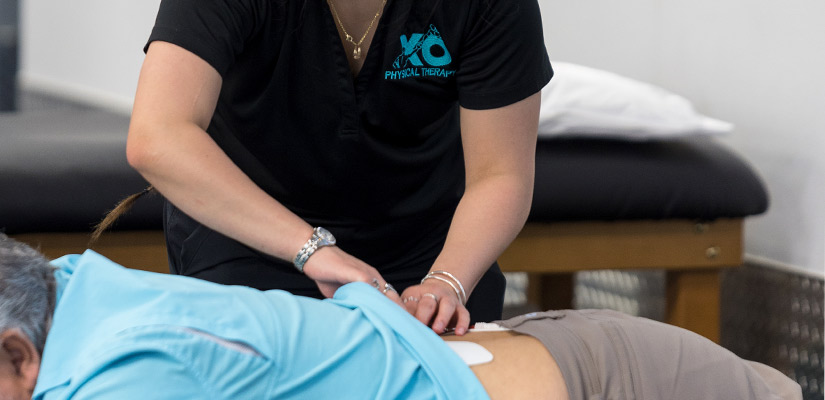
Effective recovery requires proactive engagement with your body, such as stretching before activity to keep muscles flexible and healthy. This is important to maintain full joint motion and avoid re-injury. McAllen PTs recommend a consistent exercise regimen that adapts to your healing stage.
Targeted Exercises and Their Benefits
| Exercise Type | Examples | Purpose |
| Dynamic Stretching (Pre-Activity) | Arm circles, leg swings | Loosens muscles and increases circulation |
| Static Stretching (Cool Down) | Hamstring holds, quad stretches | Maintains flexibility and prevents stiffness |
| Foam Rolling | Quads, calves, IT band | Reduces soreness and promotes blood flow |
| Strengthening Exercises | Resistance band work, bodyweight squats | Supports injury-prone areas without strain |
| Core Stabilization | Planks, bird-dog, dead bugs | Enhances body awareness and balance during movement |
Building a Personalized Recovery Plan for McAllen’s Summer Heat
One-size-fits-all doesn’t apply to recovery. A personalized plan, shaped around your activity level and injury history, will yield the best results.
Steps to Tailor Your Recovery Strategy
- Assess Activity Load: Allow for recovery time. High-intensity sports may need 2–3 days of recovery; low-intensity workouts usually need 24 hours.
- Listen to Your Body: Warning signs of poor recovery include:
- Persistent soreness (72+ hours)
- Sharp or localized pain during movement
- Unexplained fatigue or performance dips
- Consult a Physical Therapist: Professionals provide custom insights based on:
- Mobility assessments
- Strength testing
- Lifestyle and sport-specific goals
- Structure a customized plan to prevent overtraining, but incorporate athletic development
Long-Term Benefits of Prioritizing Recovery
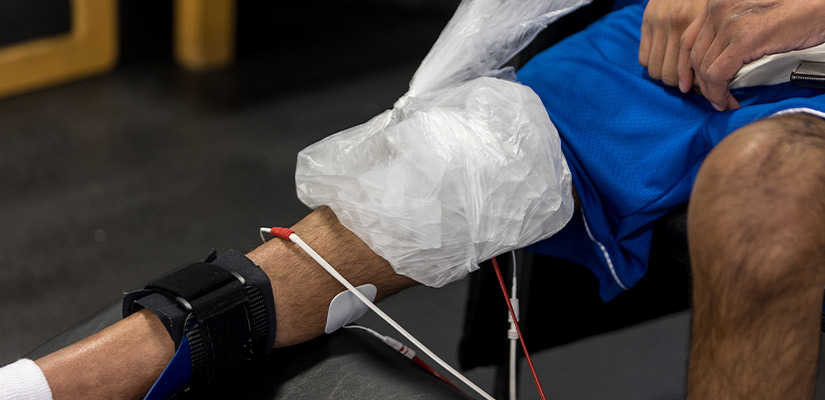
Consistent recovery practices provide benefits far beyond immediate pain relief. They serve as a foundation for athletic growth, resilience, and healthy aging. Athletes who prioritize recovery report higher performance satisfaction and are more likely to remain active later in life.
Recovery Outcomes Over Time
| Recovery Priority | Short-Term Benefit | Long-Term Outcome |
| Regular Stretching & Mobility | Less soreness, greater range of motion | Fewer injuries, better posture |
| Proper Nutrition & Hydration | Faster healing, reduced cramps | Stronger muscles and endurance |
| PT-Guided Strengthening | Stable joints, improved coordination | Longer athletic career, lower reinjury risk |
RGV Physical Therapy: Partner with McAllen’s Experts for Smarter Recovery
XO Physical Therapy in McAllen stands at the forefront of sports injury rehabilitation, offering personalized, hands-on treatment designed to meet your body’s needs at every phase of recovery. Their focus on body awareness, strength, and coordination empowers athletes to return stronger and safer. Take proactive steps to maintain your fitness and well-being. Contact XO Physical Therapy today.