


Navigating Muscle Strain vs Sprain vs Tear: What You Need to Know
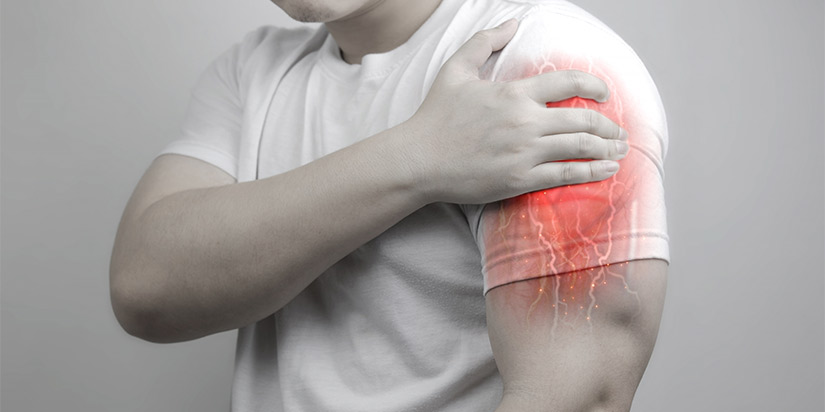
Whether you’re an athlete or someone who enjoys occasional physical activity, muscle injuries are a common occurrence that can interrupt your routine. The three main types of soft tissue, muscle strains, sprains, and tears, are frequently confused, but they affect different tissues and require different treatment approaches.
- Strains involve overstretched or torn muscles/tendons
- Sprains affect overstretched or torn ligaments
- Tears are more severe and involve partial or complete tissue rupture
Failing to distinguish between these injuries may delay healing. Over 30% of sports-related injuries involve muscles. Common locations include ankles (sprains), hamstrings, calves, and back (strains/tears).
Understanding the Differences: Strain vs Sprain vs Tear
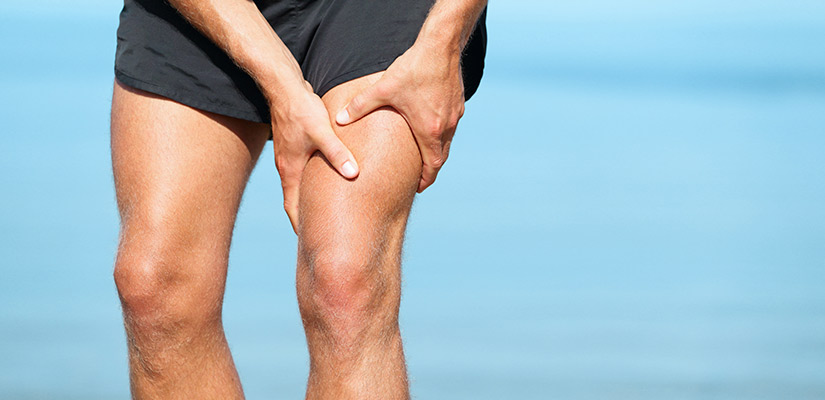
Muscle injuries can look similar on the surface, but each type involves different structures and healing timelines, as explained below:
Key Characteristics of Each Injury
| Characteristic | Strain | Sprain | Tear |
| Tissue Affected | Muscles or tendons | Ligaments | Muscles, tendons, or ligaments |
| Severity | Mild to moderate stretching | Stretching or partial tearing | Partial to complete rupture |
| Key Symptoms | Tightness, spasms, pain with movement | Swelling, bruising, joint instability | Popping sensation, sharp pain, visible deformity |
| Recovery Time | A few days to weeks | 2–8 weeks | 6 weeks to 6+ months, surgery may be required |
Severity Grades: Mild to Severe
To better assess injury seriousness, healthcare professionals classify both strains and sprains using a three-grade scale:
- Grade I (Mild)
Minor stretching with little structural damage. Quick recovery with rest. - Grade II (Moderate)
Partial tearing with swelling and functional loss. Recovery takes longer. - Grade III (Severe)
Complete rupture of the tissue. May require surgery and long-term rehab.
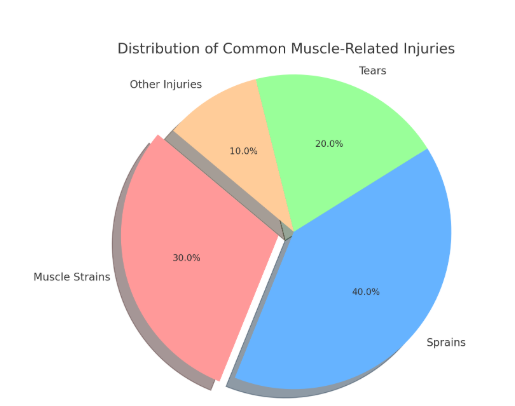
The estimated distribution of common, muscle-related injuries. Muscle strains, sprains, and tears make up the majority, while other types account for approximately 10%. These percentages highlight the importance of accurate diagnosis and targeted treatment.
Calf Muscle Injuries: A Spotlight Comparison
The calf muscle, composed of the gastrocnemius and soleus, plays a vital role in walking, running, and jumping. These muscles work together to generate the force needed to push off the ground and control ankle movement during activities like sprinting or climbing stairs. Due to their central role in lower body movement and high activation during explosive actions, the calf muscles are especially susceptible to injury.
Calf injuries are among the most common soft tissue issues seen in physically active individuals, particularly those engaged in high-impact sports such as basketball, soccer, tennis, and track. Sudden acceleration, deceleration, or changes in direction can place extreme strain on the calf complex, especially when the muscles are fatigued, tight, or not adequately warmed up.
Understanding the difference between a calf strain and a calf tear is essential for selecting the right treatment plan and setting realistic recovery expectations. While both injuries can present with similar symptoms, they differ significantly regarding tissue damage, healing time, and treatment protocols. The table below offers a clear side-by-side comparison of these two conditions.
Calf Strain vs Calf Tear
| Feature | Calf Strain | Calf Tear |
| Damage Level | Muscle overstretching, partial fiber involvement | Complete rupture of muscle fibers |
| Symptoms | Tightness, discomfort while walking | Popping sound, bruising, severe pain, visible indentation |
| Recovery Timeline | 1–6 weeks (depending on grade) | 3–4 months with rehab or surgery |
What Causes Calf Injuries?
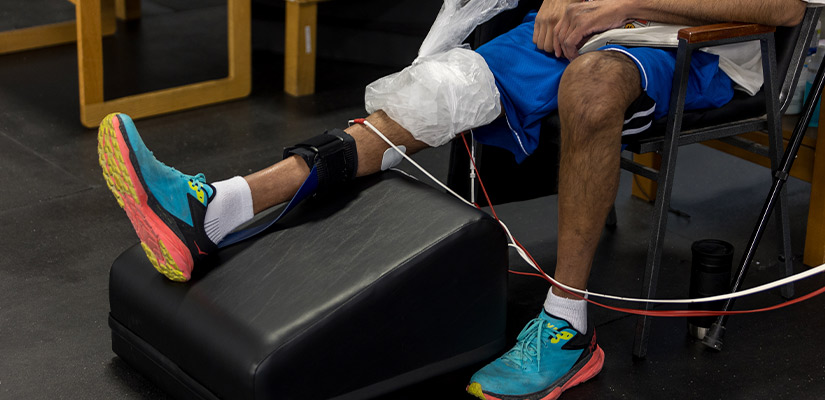
Common Triggers
-
- Sudden acceleration or stops (e.g., sprinting)
- Jumping or bounding activities (e.g., basketball)
- Running on hills or uneven terrain
- Explosive sports like tennis or soccer
- Inadequate warm-ups or returning from prior injury
These risks can be minimized with proper strengthening and stretching protocols.
Diagnosing Muscle Injuries: What to Expect
A proper diagnosis begins with a physical exam. Doctors assess:
- Swelling, bruising, and tenderness
- Range of motion and strength
- Gait and weight-bearing ability
Advanced imaging (MRI) may be used in severe or unclear cases to evaluate internal damage in severe or unclear cases.
First-Line Treatment: PRICE Protocol
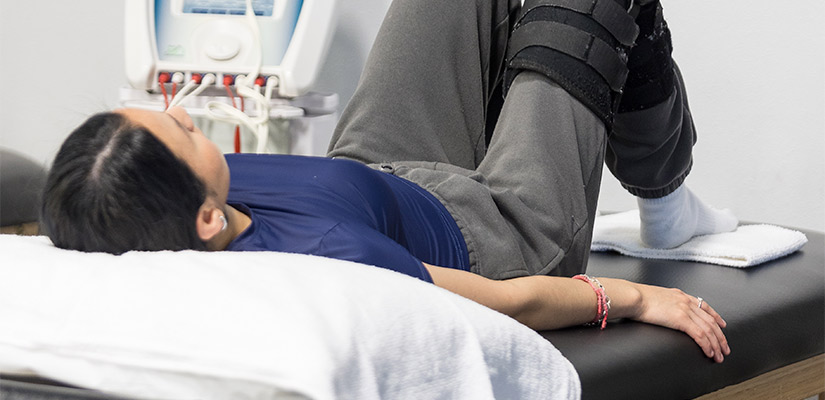
Once a strain, sprain, or tear is suspected, begin care immediately using the PRICE method:
PRICE: Immediate Home Treatment
- Protection – Avoid further damage
- Rest – Limit movement of the injured area
- Ice – Apply 15–20 minutes every few hours
- Compression – Use elastic wrap to reduce swelling
- Elevation – Raise limb above heart level
Additional Treatment Aids
- NSAIDs like ibuprofen to control inflammation
- Crutches or braces for lower limb support
- Physical therapy for progressive recovery
When to Seek Medical Attention
While many soft tissue injuries heal at home, contact a healthcare provider if you experience:
- Severe pain, significant swelling, or bruising
- Inability to move the affected joint or bear weight
- Symptoms that don’t improve after a few days of home treatment
- A popping sound at the time of injury
- Numbness or tingling in the injured area
Prevention: Smart Habits to Reduce Injury Risk
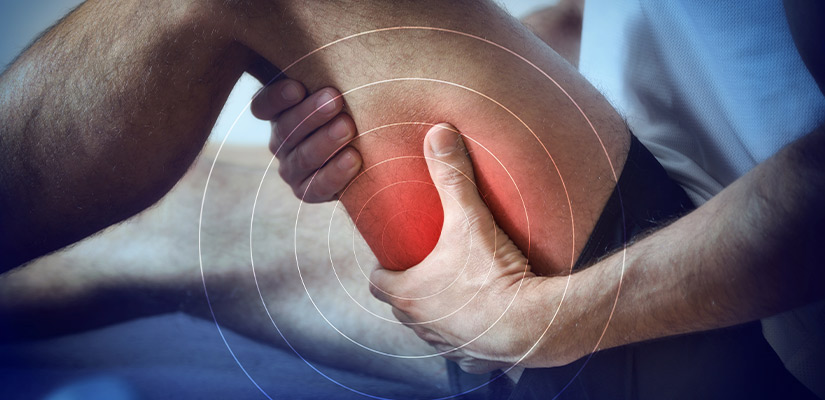
Muscle strains, sprains, and tears don’t just happen during high-performance sports. They can also result from everyday activities performed without proper preparation. The good news is that many of these injuries are preventable with simple, consistent habits that protect muscle health and improve body mechanics. Incorporating preventive strategies into your daily routine can significantly lower your risk of soft tissue damage and help you perform at your best, whether on the field, in the gym, or simply staying active.
Muscle Injury Prevention Tips
The following evidence-based tips can help you reduce your likelihood of muscle injuries while enhancing performance and overall joint health:
- Warm up for at least 5–10 minutes before activity
- Stretch key muscle groups regularly
- Follow the 10% rule: Don’t increase intensity by more than 10% per week
- Wear sport-appropriate shoes
- Incorporate strength training and balance work
- Rest and recover between workouts
Recovery Timelines by Injury Type
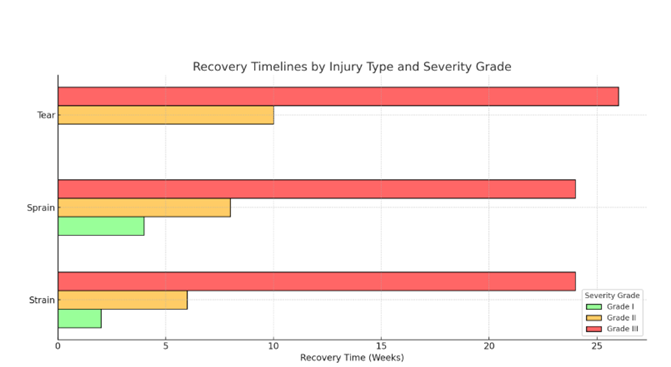
Recovery length depends on the grade and type of injury. Below is a general guideline. The visual timeline shows the estimated recovery during the different injuries by severity grade.
The chart uses color coding to distinguish between Grade I (mild), Grade II (moderate), and Grade III (severe) injuries, making it easy to compare expected healing times across strains, sprains, and tears.
Role of Physical Therapy
PT is vital to restoring function. Therapists:
- Guide exercises for flexibility and strength
- Provide gait and posture retraining
- Address scar tissue and inflammation
- Prevent re-injury through biomechanical corrections
Don’t Ignore the Signs
Muscle injuries are more than temporary setbacks. If not treated properly, they can turn into chronic issues. Knowing whether you’re dealing with a strain, sprain, or tear helps guide treatment, optimize healing, and reduce the chance of recurrence.
Take the First Step Toward Healing: Book Physical Therapy in the RGV
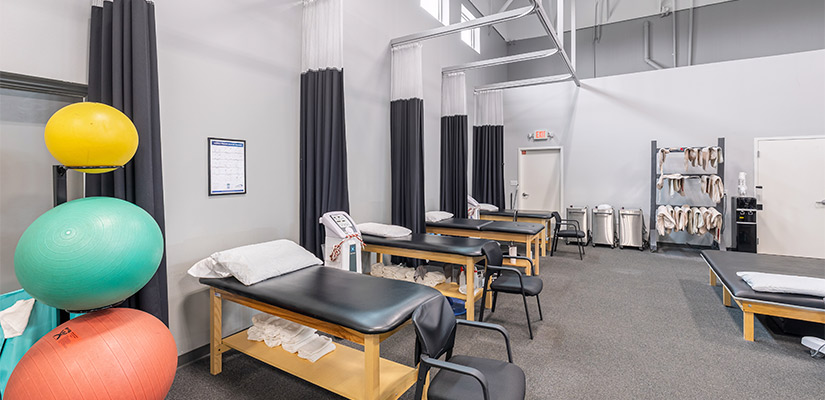
If you’re recovering from a muscle injury or want to prevent future ones, the expert team at XO Physical Therapy in the Rio Grande Valley is ready to help. We create customized rehab plans based on your specific condition and recovery goals. We’re here to get you moving again, whether it’s a mild strain or a severe tear. Move stronger and safer than ever. Schedule your physical therapy appointment today in the RGV and reclaim your active lifestyle.