


Running Injuries Uncovered: Top Tips for Injury Prevention for Runners

Running can be a rewarding and accessible form of exercise, but it also comes with a risk of injury. Running injuries are strikingly common, with studies suggesting that between 30% and 80% of runners experience an injury each year. Roughly three out of four running-related injuries occur in the lower extremities, primarily affecting the knee, ankle, shin, and foot.
Whether you’re a seasoned marathoner or new to the sport, understanding the most common injuries runners face, and what causes them, is the first step toward prevention.
Key Statistics and Injury Locations
Several factors increase the risk of injury, including training errors (such as adding mileage too quickly), biomechanical issues (improper form and muscle imbalances), inappropriate footwear, hard running surfaces, and inadequate recovery between runs. Individual factors, such as previous injuries, anatomical differences, and running experience, can also contribute.
To better understand how and where running injuries occur, the table below presents key statistics and injury locations, supported by credible sources. It highlights both the prevalence of injuries among runners and the parts of the body most affected.
| Fact | Detail |
| Injury Rate | 30–80% of runners experience an injury annually |
| Location of Injuries | 75% affect lower extremities: knees, shins, ankles, feet |
Most Common Running Injuries
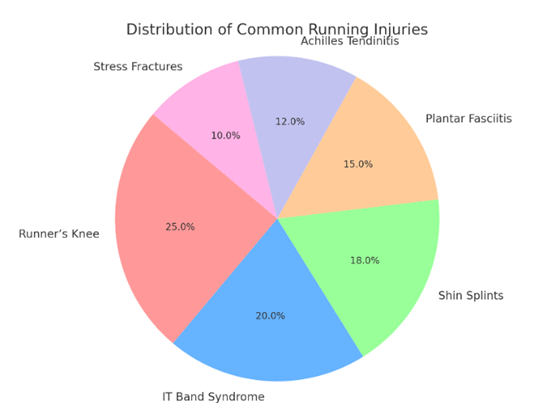
Here is a pie chart illustrating the distribution of common running injuries, with a brief explanation of each below.
- Runner’s Knee – Pain around the kneecap
- IT Band Syndrome – Pain on outer knee
- Shin Splints – Pain along the shinbone
- Plantar Fasciitis – Heel pain
- Achilles Tendinitis – Pain above the heel
- Stress Fractures – Tiny cracks in bones
Contributing Factors
The following factors can cause or worsen injuries:
- Training errors (e.g., ramping up mileage too fast)
- Poor running form or muscle imbalances
- Inappropriate or worn-out footwear
- Hard running surfaces
- Insufficient rest and recovery
- Previous injuries or unique anatomical differences
Warning Signs to Watch For

Recognizing early warning signs is essential for preventing minor issues from escalating into serious injuries. Addressing these signals promptly through rest, modified training, or professional evaluation can prevent extended time away from running and facilitate faster recovery.
Warning signs include:
- Pain worsening during runs
- Pain that alters your gait
- Localized tenderness or swelling
- Pain unrelieved by rest
Typical Pain Locations
Understanding where pain typically occurs during or after running can help identify potential injuries early and guide appropriate treatment. The table below outlines the most common injury types associated with specific areas of the lower body, highlighting the importance of recognizing location-specific discomfort.
| Area | Common Injury |
| Knees | Runner’s knee, IT Band Syndrome |
| Shins | Shin Splints |
| Heels/Arches | Plantar Fasciitis |
| Achilles Tendon | Achilles Tendinitis |
How to Tell: Soreness vs Injury
Distinguishing between pain and an injury is very important, as an injury requires immediate corrective treatment. A sharp pain and a lingering pain indicate that an injury needs intervention.
| Type | Description |
| Normal Soreness (DOMS) | Dull ache appears 24–48 hours after exercise, and resolves with time |
| Injury Pain | Sharp, sudden, worsens with activity, may include swelling or bruising Lingers for a longer time |
For minor discomfort after running, the RICE protocol (Rest, Ice, Compression, Elevation) remains an effective first aid measure. Gentle stretching, foam rolling, and over-the-counter anti-inflammatory medications can also provide relief. Recovery techniques, such as proper hydration, adequate sleep, and nutritious meals, support your body’s natural healing processes.
For pain that is associated with an injury, as mentioned above, medical care is required.
See a Specialist when:
- The pain lasts more than a few days
- Pain worsens during activity
- You experience swelling or instability
- Pain changes your running form
10 Essential Tips for Injury Prevention for Runners
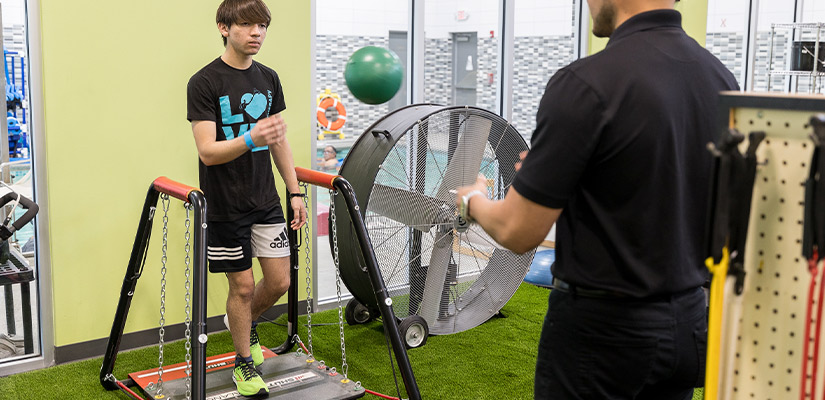
Preventing running injuries isn’t just about reacting when pain strikes—it’s about adopting smart habits every time you lace up your shoes. Here are ten tried-and-true strategies that every runner should include in their routine.
Top Injury Prevention Strategies
| Tip # | Strategy | Why It Matters |
| 1 | Warm up and cool down | Dynamic warmups prep muscles; post-run stretches reduce tension |
| 2 | Increase gradually | Avoid sudden load increases by following the 10% rule |
| 3 | Wear proper footwear | Supportive shoes reduce strain; replace every 300–400 miles |
| 4 | Strength train | Builds resilience in muscles, joints; focus on core, legs |
| 5 | Focus on form | Good posture reduces strain on joints |
| 6 | Listen to your body | Pain = signal to rest; pushing through leads to injury |
| 7 | Cross-train | Reduces repetitive strain; gives muscles recovery time |
| 8 | Hydrate & fuel properly | Promotes recovery, performance |
| 9 | Vary surfaces | Trails and grass lower impact forces |
| 10 | Get regular checkups | Identify form or gear issues early |
Physical Therapy and Professional Support for Injury Prevention
Even the most experienced runners benefit from a professional assessment from time to time. Physical therapists specialize in spotting minor biomechanical problems before they escalate into major injuries.
How a Physical Therapist Can Help
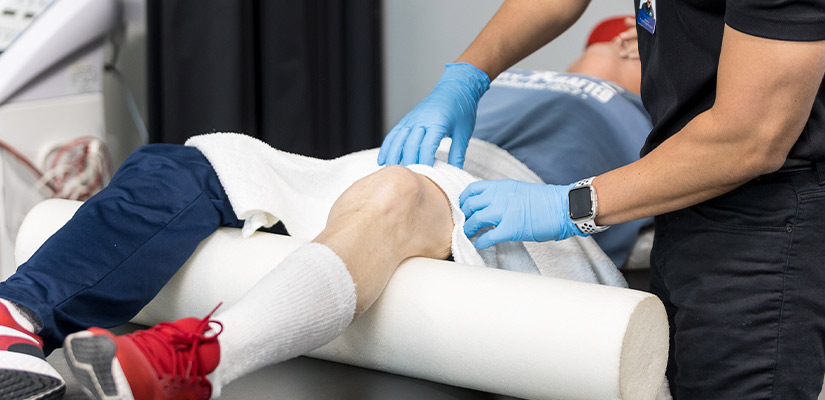
A comprehensive assessment from a physical therapist evaluates your running form, muscle imbalances, and movement patterns. This detailed analysis forms the foundation for a personalized prevention plan tailored to your specific needs.
- Gait Analysis – Identifies running form inefficiencies
- Muscle Imbalance Screening – Prevents compensatory movements
- Personalized Training Plan – Tailored to your goals and weaknesses
Physical Therapies and Techniques
Physical therapists play an essential role in helping runners prevent and recover from injuries. They assess running form, correct posture, and design strength-training programs to address muscle imbalances. In addition to these foundational strategies, they also use specialized techniques such as:
| Therapy | Benefit |
| Active Release Technique (ART) | Breaks up scar tissue and adhesions |
| Functional Movement Therapy | Improves coordination and mobility |
| Strengthening Exercises | Targets weak muscle groups |
Benefits of Professional Support
Working with a physical therapist is invaluable and offers several key advantages; runners are encouraged to utilize this valuable resource to their full potential. Benefits include:
- Faster recovery times
- Improved injury prevention strategies
- Enhanced running performance
RGV Physical Therapy: Partnering with XO Physical Therapists
Running is a powerful way to stay active, but injuries can disrupt your progress and keep you from reaching your goals. That’s where XO Physical Therapy steps in. A team renowned for their expert care in treating and preventing running injuries. Whether you’re struggling with shin splints, IT band syndrome, or heel pain, our team offers personalized assessments and therapeutic plans to get you back on track.
With XO’s advanced techniques and compassionate, community-based care, you’ll receive the support you need to run stronger and smarter. Book a consultation today and take your first step toward an injury-free running experience.